

How to Build a Strong Credit Score: A Practical Guide
Consistent, responsible financial habits build a strong credit score. Focus on timely payments and managing credit utilization. This guide shows how to build a credit score. We cover practical steps to improve creditworthiness. Start from scratch or boost an existing score.
In this article 10 min read
- What is a Credit Score and Why Does It Matter?
- Key Factors That Influence Your Credit Score
- How to Build Credit When You Have No History
- How to Build Credit with a Credit Card
- How to Improve Your Credit Score Quickly (and Realistically)
- Common Mistakes to Avoid While Building Credit
- The Next Steps in Your Credit Building Journey
- Frequently asked questions
What is a Credit Score and Why Does It Matter?
A credit score is a numerical expression, typically a three-digit number between 300 and 850. It represents your creditworthiness or the likelihood you will repay borrowed money as agreed. Lenders use these scores to evaluate the potential risk of lending money, determine who qualifies for a loan, and set interest rates and credit limits.

Credit scores, usually between 300 and 850, are used by lenders to assess risk and determine loan terms.
The two major credit scoring models are FICO and VantageScore, both using a 300-850 scale. However, they define their score tiers differently. For example, FICO score tiers range from Poor (300–579) to Exceptional (800–850), while VantageScore tiers range from Poor (300–600) to Excellent (781–850). As of April 2026, the average U.S. FICO score was 714, which falls into the “Good” tier. The average VantageScore 4.0 credit score was 702 in June 2026 and remained at 701 in September 2026.
Having a good credit score can open doors to better interest rates on mortgages, car loans, and personal loans. It can also lead to lower insurance premiums and easier approval for rental applications or utility services. Understanding how to build a credit score is a fundamental aspect of financial stability.
Key Factors That Influence Your Credit Score
Several factors contribute to your credit score, with varying weights depending on the scoring model. Understanding these can help you focus your efforts.
Here are the primary components:
- Payment History (approx. 35% of FICO score): This is the most significant factor. Paying your bills on time, every time, is crucial. Late payments, collections, and bankruptcies can severely damage your score.
- Credit Utilization (approx. 30% of FICO score): This is the ratio of your current credit card balances to your total available credit limit. Experts recommend keeping your credit utilization below 30%, with under 10% being ideal. For instance, if you have a credit card with a $1,000 limit, try to keep your balance below $300.
- Length of Credit History (approx. 15% of FICO score): This considers how long your credit accounts have been open. It includes the age of your oldest account, your newest account, and the average age of all your accounts. Generally, a longer credit history is better.
- Credit Mix (approx. 10% of FICO score): Lenders like to see that you can responsibly manage different types of credit, such as revolving credit (credit cards) and installment loans (mortgages, car loans, student loans). However, we advise against opening new accounts solely to diversify your credit mix if you don’t genuinely need them.
- New Credit (approx. 10% of FICO score): Opening several new credit accounts in a short period can be seen as risky. Each hard inquiry, which occurs when you apply for new credit, can temporarily ding your score. Checking your own credit reports or scores is a “soft inquiry” and does not hurt your credit scores.
How to Build Credit When You Have No History
If you’re starting with no credit history, it might feel like a catch-22: you need credit to get credit. However, several effective strategies can help you establish your financial footprint and learn how to build a credit score.
We recommend considering these options:
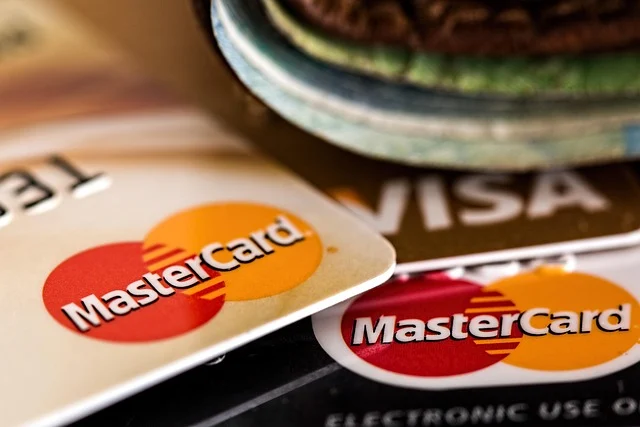
- Get a Secured Credit Card: This is often the easiest starting point. A secured credit card requires a cash deposit, which typically becomes your credit limit. For example, if you deposit $300, your credit limit is $300. This deposit acts as collateral, reducing the risk for the lender. Use the card for small purchases and pay the balance in full each month. The key is that your payments are reported to the credit bureaus, building your history.
- Become an Authorized User on Someone Else’s Account: If a trusted family member or partner with good credit is willing, they can add you as an authorized user on one of their credit card accounts. Their responsible payment history and credit limit can then appear on your credit report, potentially boosting your score. However, we strongly advise ensuring the primary cardholder has excellent financial habits, as their mistakes could impact your score too. This strategy is not suitable if the primary user is prone to late payments or high utilization.
- Apply for a Credit-Builder Loan: These are specifically designed to help people establish credit. With a credit-builder loan, the money you borrow is typically held in a savings account or certificate of deposit (CD) by the lender. You make regular payments over a set period (e.g., 6-24 months), and these payments are reported to credit bureaus. Once the loan is paid off, you receive the money. This demonstrates your ability to make consistent payments.
- Use Services That Report Rent and Utility Payments: In 2026, credit scoring models, such as VantageScore 4.0 and FICO 10T, are increasingly considering payment history from utility, rent, and telecom payments. Services like Experian Boost (which Experian.com details) can connect to your bank account to identify and add qualifying payments from bills like cell phones, utilities, and even rent to your Experian credit report, potentially boosting your score. This can be particularly helpful for those with limited traditional credit.
- Consider Buy Now, Pay Later (BNPL) Services Responsibly: As of fall 2025, Buy Now, Pay Later (BNPL) loans are being included in certain FICO score models. Responsible use, meaning making all payments on time, can help build credit. However, remember these are still forms of credit, and missed payments can negatively impact your score.
How to Build Credit with a Credit Card
A credit card is one of the most common and effective tools for building credit, provided you use it wisely. Here’s how we recommend approaching it for how to build a credit score:
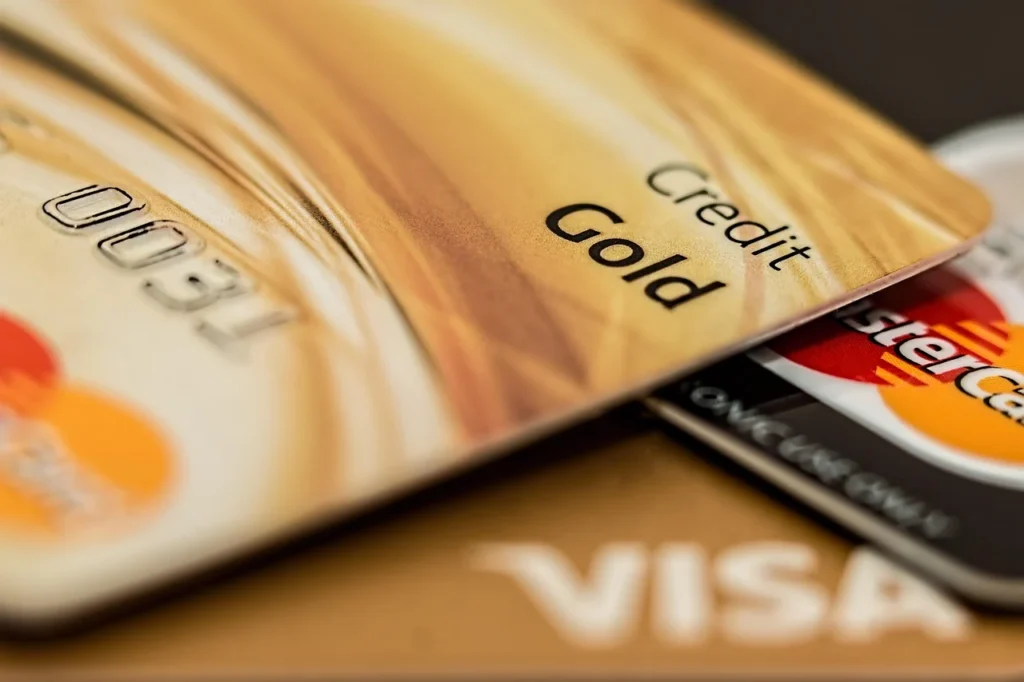
Using a credit card responsibly is a key strategy for building and maintaining a good credit score.
- Start with a Low-Limit Card: If you’re new to credit, you might qualify for an entry-level credit card with a modest credit limit. This is perfectly fine; the goal is to establish a positive payment history, not to have a high spending limit initially.
- Make Small, Regular Purchases: Use your credit card for everyday expenses you can easily afford. You would pay for these anyway, like groceries or a subscription service. This ensures you have activity on the card.
- Pay Your Balance in Full and On Time Every Month: This is the golden rule. Paying in full avoids interest charges and demonstrates excellent payment behavior to the credit bureaus. Carrying a small balance on credit cards is not necessary to improve your score; paying off balances in full each month is best. Set up automatic payments to ensure you never miss a due date.
- Keep Credit Utilization Low: As discussed, aim to keep your balance below 30% of your credit limit. If your limit is $500, try not to let your balance exceed $150. If you need to make a larger purchase, consider paying it off before your statement closing date. This will ensure a low reported balance.
- Monitor Your Credit Report: Regularly check your credit reports for errors. You can obtain free copies of your credit report from each of the three major credit bureaus (Equifax, Experian, and TransUnion) annually. Updates to the Fair Credit Reporting Act in 2026 aim to speed up dispute timelines and require better documentation for errors. If you find an error, dispute it immediately.
How to Improve Your Credit Score Quickly (and Realistically)
Many people search for ways to raise their credit score quickly, asking questions like “How do I raise my credit score quickly?” or “How fast can I add 100 points to my credit score?” While there’s no overnight fix for how to build credit score significantly, consistent responsible financial habits are key. However, certain actions can yield faster results than others.

We advise focusing on the following to see improvement within a few months:
- Reduce Your Credit Utilization Ratio: This is often the fastest way to see a noticeable jump in your score. If your utilization is high (above 30%), paying down your credit card balances can have a significant positive impact. Aim for under 10% utilization for ideal results.
- Make All Payments On Time: If you have any overdue payments, getting them current immediately is vital. Future on-time payments will gradually dilute the impact of past late payments. However, stopping new late payments is the first step. Payment history is 35% of your FICO score, so consistent on-time payments are paramount.
- Dispute Any Credit Report Errors: Inaccurate information, such as a reported late payment that was actually on time, can unfairly drag down your score. Review your credit reports carefully and dispute any errors with the credit bureaus. This process can take time, but removing inaccuracies can improve your score.
- Become an Authorized User (as discussed earlier): If a trusted individual with excellent credit adds you to their account, their positive history can reflect on your report relatively quickly. This is one of the faster methods for those with thin credit files.
- Avoid New Credit Applications: Each application results in a hard inquiry, which can temporarily lower your score. If you’re trying to boost your score, we recommend holding off on applying for new loans or credit cards unless absolutely necessary.
Realistic credit score improvement timelines
Regarding specific point increases like “How to get a 700 credit score in 30 days?” or “How long does it take to build a credit score from 500 to 700?”, it’s essential to be realistic. A 30-day jump to 700 from a low score is highly unlikely unless a significant error is removed from your report. Building from 500 to 700 can take several months to a few years of consistent, responsible credit use. Factors like how many negative items are on your report and how old they are play a big role.
Common Mistakes to Avoid While Building Credit
While the path to a good credit score involves positive actions, understanding how to build a credit score also means avoiding pitfalls that can hinder your progress or even damage your score.
Here are crucial mistakes people make:
- Missing Payments: This is arguably the worst mistake. A single late payment (especially if it’s 30+ days late) can significantly drop your score and stay on your report for up to seven years. Always prioritize paying at least the minimum amount due on time.
- Maxing Out Credit Cards: Even if you pay your balance in full every month, consistently using a high percentage of your available credit (high utilization) can negatively impact your score. It signals to lenders that you might be over-reliant on credit.
- Closing Old Credit Card Accounts: Closing an old credit card account can negatively impact your score in two ways: it reduces your overall available credit, potentially increasing your utilization ratio, and it shortens your average length of credit history. We generally advise keeping old, unused accounts open, especially if they have no annual fee.
- Applying for Too Much New Credit: While diversifying your credit mix can be beneficial over time, applying for multiple credit cards or loans within a short period can lower your score due to multiple hard inquiries and a perceived higher risk of taking on too much debt.
- Not Checking Your Credit Report: Errors on your credit report are more common than you might think and can unfairly lower your score. Failing to review your reports means you might miss these errors and not dispute them.
- Falling for “Credit Repair” Scams: Be wary of companies promising to remove accurate negative information from your credit report or offering a “quick fix” to significantly boost your score. There are no shortcuts; legitimate credit building takes time and responsible behavior.
The Next Steps in Your Credit Building Journey
Building a strong credit score is a marathon, not a sprint. It requires patience, discipline, and consistent responsible financial behavior. Start by understanding your current credit situation, then implement the strategies outlined, focusing on timely payments and low credit utilization.

Remember, your credit score is a dynamic number that reflects your financial behavior over time. By adopting these practical habits for how to build a credit score, you can steadily improve your creditworthiness, opening doors to better financial opportunities and greater peace of mind.
Related guides
Sources: Credit score
Frequently asked questions
How can I build credit score for an 18-year-old?
For an 18-year-old, learning how to build a credit score typically involves starting with a secured credit card, becoming an authorized user on a parent’s responsible credit card account, or taking out a small credit-builder loan. These methods establish a payment history that is reported to credit bureaus.
What helps to build credit score without a credit card?
You can build credit without a traditional credit card by using credit-builder loans, becoming an authorized user on someone else’s account, or utilizing services like Experian Boost that report rent, utility, and telecom payments to credit bureaus.
Do I need to carry a balance on my credit card to build credit?
No, you do not need to carry a balance on your credit card to build credit. Paying off your balances in full each month is the best strategy for how to build a credit score, as it avoids interest charges and demonstrates responsible credit management, which is reported to credit bureaus.