
Small Ways to Improve Your Life Through Micro Habits
This article covers how to use habit stacking, environment design, and single-tasking to transform your daily routine without burnout. It also explains the timeline for habit formation and outlines five reliable habits you can integrate into even the busiest schedules.
In this article 6 min read
What are small ways to improve your life?
Small ways to improve your life center on micro habits. These are tiny, manageable tweaks that build momentum and compound into significant results over time. You can transform your daily routine without facing the overwhelm of a complete life overhaul. Success comes by focusing on consistency rather than intensity.

When you want to know how to improve your life quality without burning out, the answer rarely lies in drastic, overnight changes. As noted by behavioral psychology principles, massive disruptions often trigger resistance. Instead, focusing on small ways to improve your life allows your brain to adapt gradually. Research indicates that habit formation takes approximately 66 days at the median, with timelines varying from 18 to 254 days depending on the person and the habit. [onlinelibrary.wiley.com] Recognizing this wide window helps you avoid the common misconception that failing to lock in a routine within 21 days means total failure.
To understand the power of these micro-adjustments, look at the difference between a macro goal and a micro habit. A macro goal is declaring that you will completely rewrite your diet. You will wake up at 5:00 AM every day and write a novel in a month. A micro habit is opening a blank document and writing a single sentence every time you sit at your desk. You bypass the brain’s threat-detection center by keeping the barrier to entry remarkably low.
Who does this advice not suit? If you are experiencing an acute personal crisis, severe burnout, clinical depression, or a major life trauma, micro habits alone will not resolve your immediate needs. In these situations, you require professional medical or psychological support, structural life changes, or immediate rest rather than self-optimization techniques.
How to use habit stacking for easy ways to improve your life
Habit stacking connects a new, small behavior directly to an existing daily routine so you remember to do it consistently. You take a current action you already perform automatically, such as brewing morning coffee. You attach your new micro habit right to the end of it.

Do not find a random hour for your two-minute meditation or stretch. Instead, schedule it wisely. You decide to complete two minutes of deep breathing the moment you pour your morning coffee. Do this before you check your phone. This approach relies on your existing neural pathways. Systems and environment sustain routines much better than sheer motivation alone. When you remove setup friction, small ways to improve your life become automatic parts of your day.
Consider a second worked example for the evening: when you brush your teeth at night, you place your dental floss directly on top of your toothbrush handle so you cannot ignore it. Or, when you sit down at your office chair, you immediately open only one single work tab instead of ten.
A common problem when trying easy ways to change your life through stacking is chaining too many new behaviors together at once. People might try to meditate, stretch, and review goals all immediately after pouring coffee. This overload causes friction and leads to abandoning the stack entirely. The fix is strict limitation. You anchor only one new, two-minute behavior to an established anchor habit until it feels completely automatic.
What are 5 habits that can improve my life?
Five reliable habits can improve your life. These include daily mindfulness, habit stacking, environment design, single-tasking focused work, and consistent evening wind-down routines. You can integrate these small steps into even the busiest schedules.

First, daily mindfulness can be as brief as taking ten slow breaths when you sit down at your workspace. Second, habit stacking ensures your new behaviors actually happen by tying them to old ones. Third, environment design involves clearing your physical desk or locking distracting apps on your phone the night before. These steps ensure you face less friction in the morning. Fourth, single-tasking breaks large tasks into tiny steps, which reduces decision fatigue and sharpens your focus. Fifth, a consistent wind-down routine signals to your nervous system that it is time to rest. These habits offer small ways to improve your life regarding sleep quality and emotional resilience over time.
To execute single-tasking successfully, you physically remove distractions from your immediate workspace. You close all browser tabs unrelated to your current task. Turning your smartphone face down or placing it in another room helps, and you set a timer for fifteen minutes. You commit to working on only that single task until the timer goes off. This eliminates the energy drain of context-switching.
Environment design works similarly by targeting your physical space. If you want to read more books, try placing a book directly on your pillow in the morning. Then you must move it before you go to sleep at night. You change your physical layout so the desired action requires less effort than the undesired distraction.
How long does it take for small steps to improve your life?
Small steps to improve your life typically take a median of 66 days to become automatic routines. Individual timelines range from 18 to 254 days. [onlinelibrary.wiley.com] You must prioritize consistency over intensity during this period.
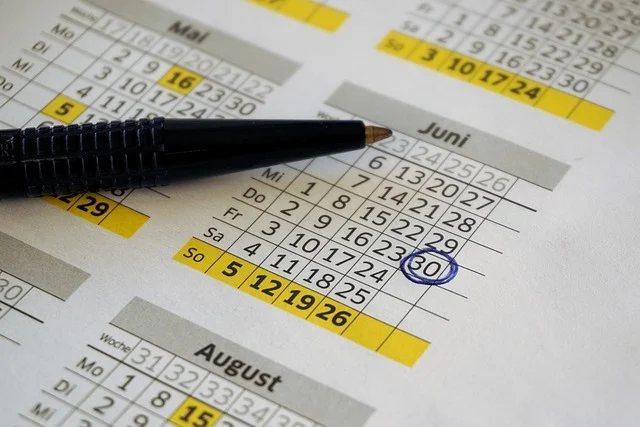
A common trap is assuming that missing a single day completely ruins your progress. According to psychological findings on habit formation, occasional lapses do not derail the overall process. You return to the habit promptly. Tracking and celebrating your small wins significantly increases your success rate. When you watch your streak grow or check off daily boxes, you reinforce the neural pathways responsible for the behavior. Keep your initial actions so small in ways to improve your life. You can complete them even on days when your energy levels are exceptionally low.
A frequent problem during this multi-week window is the “what the hell” effect. You miss your new habit on a Tuesday and feel like you ruined your streak. Then you abandon the routine for the rest of the month. The fix is adopting a strict “never miss twice” rule. Missing one day has a negligible impact on long-term neural wiring. But missing two days in a row begins to build a new, competing habit of quitting.
Frequently asked questions
What are 10 quick ways to improve my life?
You can start with 10 quick ways such as drinking a glass of water upon waking, writing down a daily task list, practicing deep breathing, clearing your workspace, reading ten pages of a book, taking a short midday walk, expressing gratitude, turning off non-essential notifications, prepping your clothes the night before, and going to bed ten minutes earlier.
Why do drastic life changes usually fail?
Drastic changes demand high levels of daily motivation and willpower, which inevitably fluctuate and deplete under stress. Micro habits succeed because they require minimal energy and bypass the brain’s resistance to overwhelm.
What should you do if you miss a day of your new habit?
You simply resume the habit on the very next day without judgment or trying to double up. Occasional lapses are a normal part of the habit formation process and do not erase your accumulated progress.
How do you choose which small steps to start with?
You pick a single behavior that targets your biggest current friction point. Scale it down until it takes less than two minutes to complete, and anchor it to an established daily routine.